
By Shammy Editorial · May 27, 2026 · 5 min read Category: Style Guide | Tags: men’s hoodies, how to style a hoodie, best hoodies for men 2026, hoodie outfit ideas men, oversized hoodie men, pullover vs zip hoodie, men’s streetwear, Shammy clothing
The men’s hoodie style guide for 2026 is no longer just about comfort — it is about identity, fit, layering, and modern streetwear culture. From oversized silhouettes to heavyweight fabrics, hoodies have become one of the most important essentials in men’s fashion today.
This guide covers everything: what makes a hoodie worth buying, how different styles work for different body types, what to pair it with, and how to care for it so it stays sharp for years. Whether you are building your first real wardrobe or refining one you have had for a decade – this is the only hoodie reference you need.
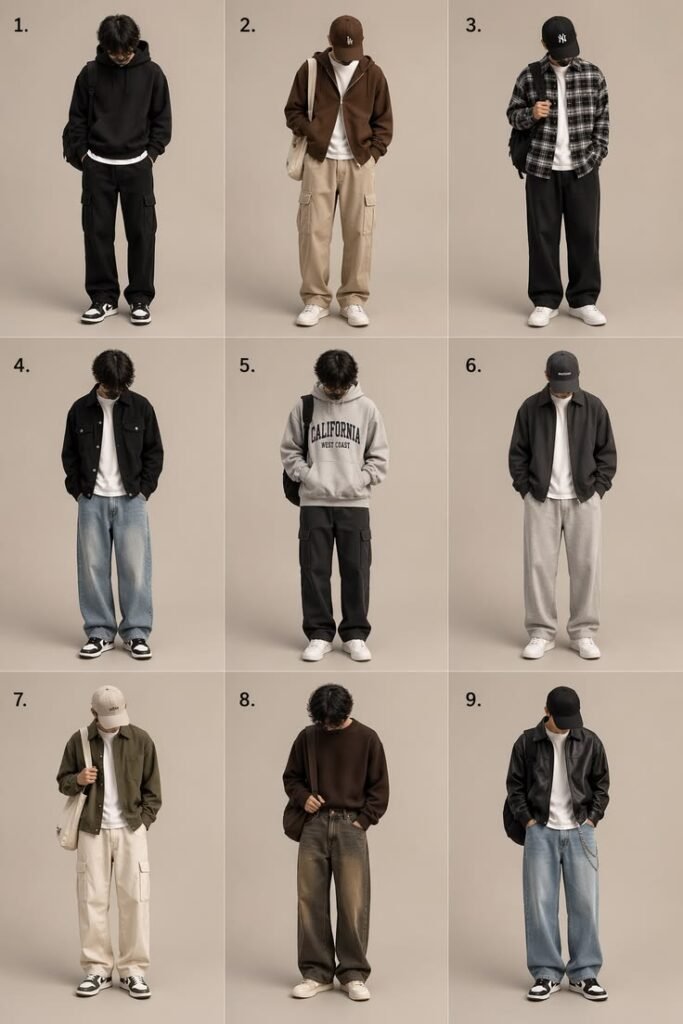
What Is a Hoodie: And Why Does It Matter?
Quick Answer: A hoodie is a sweatshirt with an attached hood, typically featuring a front kangaroo pocket and drawstring. Originally designed for cold-storage warehouse workers in the 1930s, it evolved into a mainstream fashion staple by the 2000s and is now one of the most versatile pieces in men’s casual and streetwear fashion.
The hoodie was invented by Champion in the 1930s for workers in freezing New York warehouses. Decades later it became the uniform of hip-hop culture, Silicon Valley, and eventually every demographic on earth. No other garment has crossed so many cultural lines so cleanly.
Today the hoodie sits at the center of a massive shift in how men dress. The old rules- dress down at home, dress up outside – no longer apply. Comfort and style are not in conflict anymore. The hoodie is proof of that.
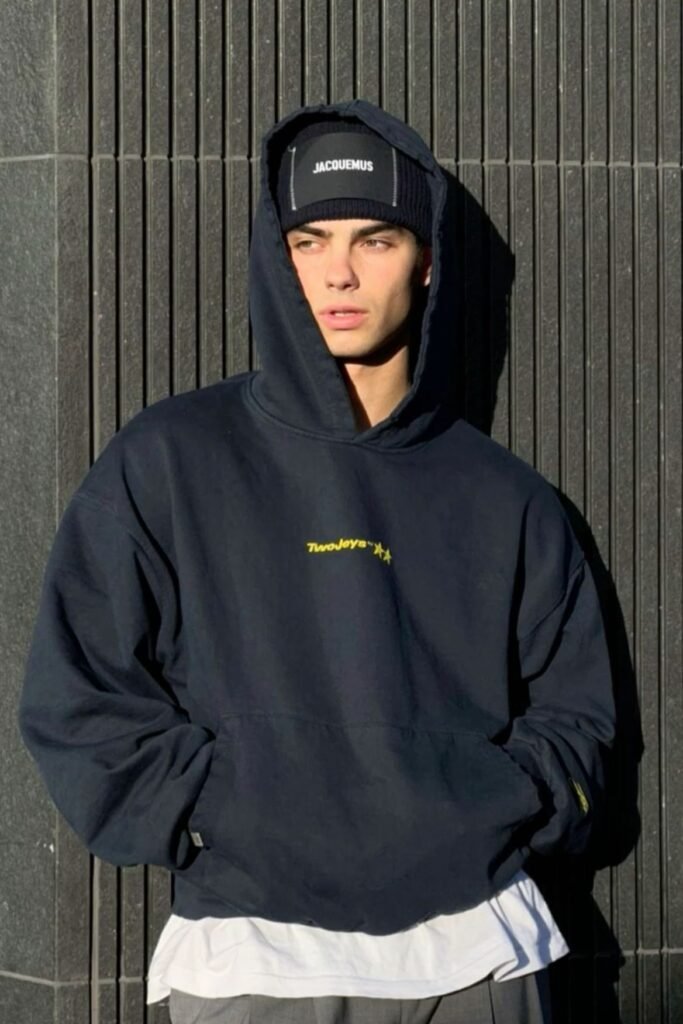
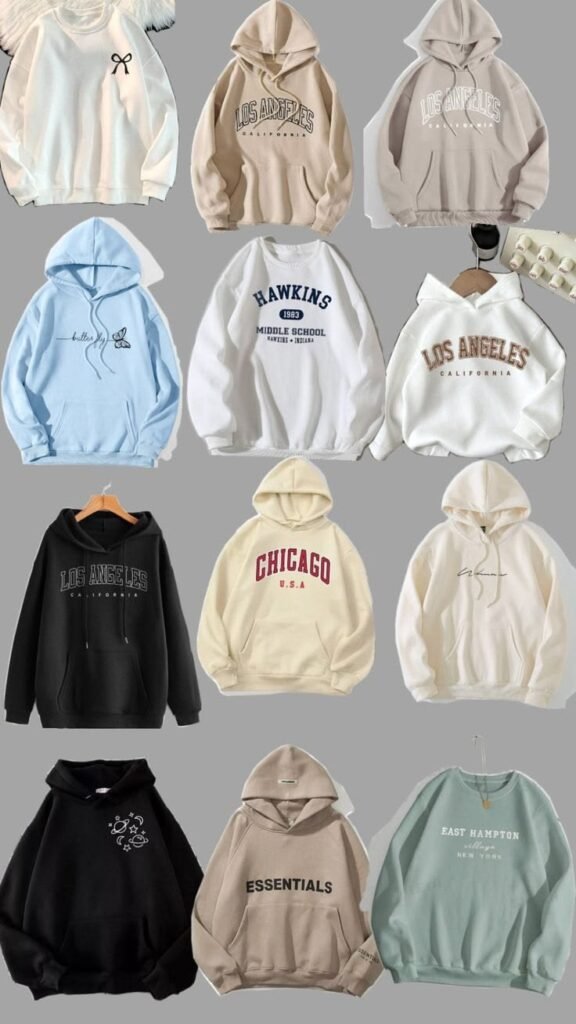
Types of Men’s Hoodies: Which One Is Right for You?
Not all hoodies are the same. Understanding the differences helps you buy smarter and style better.
- Pullover Hoodie A pullover hoodie has no front zipper and is worn by pulling over the head. It offers a clean, uninterrupted front silhouette and tends to be slightly warmer than zip-up styles. It is the most popular hoodie style in casualwear and streetwear. Best for everyday casual wear and style-forward looks.
- Zip-Up Hoodie A zip-up hoodie has a full-length zipper down the front that allows it to open completely. This makes it easier to put on and remove, and more versatile for layering as a mid-layer under jackets or as a light outer layer on its own. Best for practicality, layering, and smart-casual outfits.
- Oversized Hoodie An oversized hoodie features deliberately dropped shoulder seams – sitting 1 to 3 inches below the natural shoulder- with a relaxed, boxy body. This is the defining silhouette of 2026 streetwear. To achieve a genuine oversized look, size up 1 to 2 sizes from your regular size.
- Fitted / Slim Hoodie A slim hoodie has a tapered body that sits closer to the torso. It works well under structured outer layers like blazers and overcoats without adding bulk. The go-to choice for smart-casual builds and layered outfits.
- Heavyweight Hoodie (500–600 GSM) A heavyweight hoodie uses thick, dense fleece fabric above 500 GSM. Built for winter and outdoor use. Higher weight means better shape retention over time and a longer garment lifespan. Often the preferred choice in premium streetwear.
- French Terry Hoodie French terry is a knit fabric with loops on the inside and a smooth surface on the outside. It is lighter and more breathable than standard fleece, making it suitable for year-round wear. Feels similar to a thick t-shirt on the body. Ideal for mild climates and everyday use across seasons.
- Graphic / Printed Hoodie A graphic hoodie features screen-printed or embroidered designs on the front, back, or sleeves. The statement piece of any streetwear wardrobe. Let it be the hero of the outfit and keep everything else understated.
How a Hoodie Should Fit on a Man
Quick Answer: A correctly fitted hoodie has the shoulder seam sitting at the natural shoulder edge – or dropped 1 to 3 inches for an oversized style. The body skims the torso without pulling or pouching. Sleeves reach the wrist bone. The hem falls at or just below the hip. For an oversized fit, size up 1 to 2 sizes. For a fitted look, stay true to size or size down if the brand runs large.
Shoulders
The shoulder seam is the most important fit indicator on any hoodie. On a regular-fit hoodie, the seam sits exactly at the edge of your natural shoulder. On an oversized hoodie, it intentionally drops 1 to 3 inches – that drop creates the relaxed silhouette that defines the style. Never buy a hoodie where the shoulder seam falls at mid-bicep. That is not oversized – that is simply too big.
Body and Torso
The body of the hoodie should skim your torso – close enough that it does not add bulk, loose enough that you can breathe and move freely. If the fabric pulls across your chest or back, size up. If it pouches outward at the front, size down.
Sleeves
Sleeves should reach your wrist bone when your arms hang naturally at your sides. Ribbed cuffs should grip lightly without cutting into the wrist. If the cuff already sits at mid-forearm out of the box, the hoodie will shrink to a crop after the first wash.
Length
For a regular fit, the hem should land at or just below the hip – covering your waistband. For a cropped style, the hem sits at the natural waist. Never wear a hoodie where the hem falls past mid-thigh unless it is a deliberately designed longline or hoodie-dress silhouette.
Hoodie Fabrics and Quality: What to Actually Look For
Fabric is the single biggest driver of how a hoodie looks, feels, and lasts. Price alone is not a reliable guide. Knowing what to look for is.
GSM – Grams Per Square Metre
GSM stands for Grams Per Square Metre and measures the weight and density of a fabric. In hoodies, GSM is the clearest indicator of warmth, structure, and durability.
- 280–320 GSM – Lightweight. Good for layering and transitional weather. Soft, drapes well. Not ideal for cold climates.
- 350–420 GSM – Midweight. The everyday sweet spot. Warm, structured, holds its shape well over time. The most versatile range.
- 500–600 GSM – Heavyweight. Premium, substantial feel. Thick enough to function as an outer layer in mild cold. Lasts years with proper care.
Cotton vs. Polyester vs. Blends
- 100% Cotton – Breathable and naturally soft. Prone to shrinkage when washed in warm water and slightly more likely to pill over time.
- 80/20 Cotton-Polyester Blend – The gold standard for hoodies. Cotton provides softness and breathability; polyester adds durability, shape retention, and reduces shrinkage. Most quality everyday hoodies use this blend.
- 100% Polyester / Performance Fleece – Moisture-wicking and quick-dry. Common in gym and athletic hoodies. Less breathable for casual everyday wear.
- French Terry – Lighter and more breathable than standard fleece. Loops on the interior, smooth on the exterior. Ideal for year-round use in moderate climates.
Quick Quality Checklist Before You Buy
- Tight, even stitching at all seams with no puckering or loose threads
- Ribbed cuffs and hem that snap back after stretching
- Drawstring with reinforced metal or tightly stitched eyelets
- Kangaroo pocket with a clean, straight top seam – no sagging
- Brand lists the GSM weight – a clear signal they are serious about fabric quality
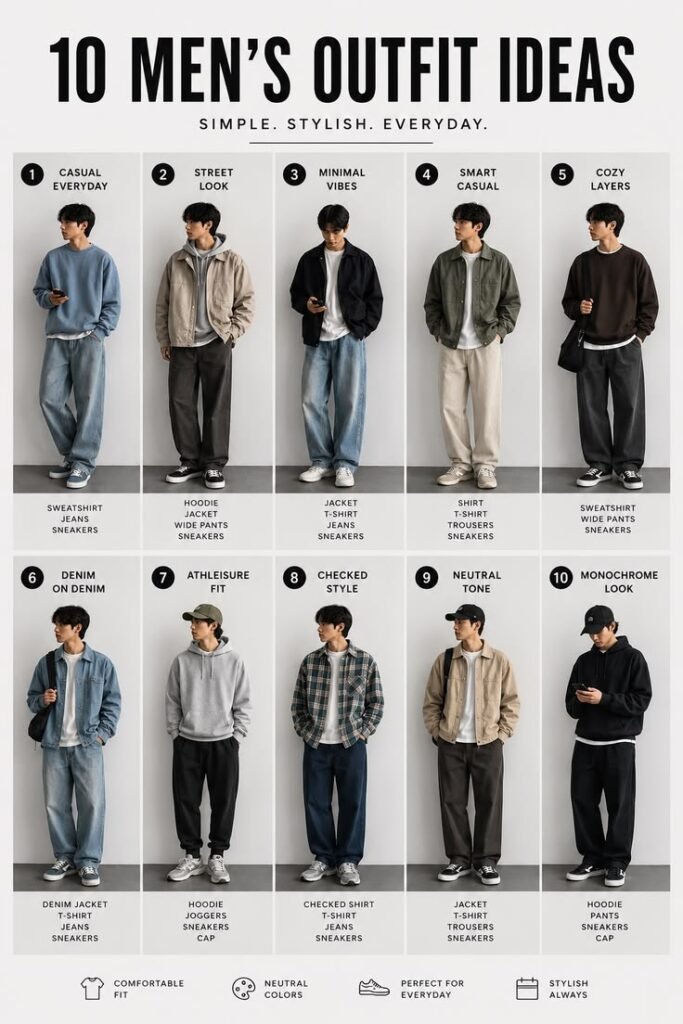
10 Men’s Hoodie Outfit Ideas for 2026
These are complete outfit builds that actually work – real combinations, not mood board concepts.
- The Monochrome Stack All-black oversized hoodie paired with black slim joggers and black chunky sneakers. Add a beanie for winter. Clean, effortless, and consistent in any setting.
- Smart-Casual Layer Fitted grey hoodie worn under a camel or navy overcoat, paired with dark slim jeans and white leather sneakers or Chelsea boots. Perfect for casual Fridays and smart environments.
- Street Cargo Build Graphic oversized hoodie worn with khaki cargo trousers and low-top Jordan 1s or New Balance 550s. Roll the trouser cuffs slightly for better proportion.
- Earth Tone Weekend Olive or clay pullover hoodie paired with straight-fit medium-wash jeans and tan suede desert boots. Relaxed but intentional — the earth tones do the coordination work for you.
- The Athlete Off-Duty Zip-up hoodie worn open over a white tee, paired with tapered track pants and running sneakers. Add a cap if you want. Looks effortless because it is.
- Layered Under Denim White or grey hoodie worn under a dark denim trucker jacket, paired with black jeans and white New Balance 990s. A classic layering combination that never dates.
- Workwear Hybrid Olive hoodie worn under a chore coat or canvas jacket, paired with dark slim chinos and loafers. The hoodie hem peeks below the jacket for a deliberate layered finish.
- The Tonal Drop Pick one color family and stay in it — navy hoodie with navy trousers and navy or white sneakers. Looks deliberately coordinated, not matched.
- Print and Contrast Bold graphic hoodie as the focal point, paired with plain black or white trousers and understated sneakers. One statement piece — everything else is supporting cast.
- The Studio Fit Heavyweight cream hoodie worn with wide-leg khakis or linen trousers and leather sandals or slides. Laid-back creative energy, done right.
“A hoodie is only as powerful as the intention behind it. Wear it with purpose and it is fashion. Wear it without thought and it is just a sweatshirt.”
The Men’s Hoodie Layering Guide
Layering is where a hoodie goes from a single casual piece to a complete outfit. The core principle: every layer should be visible, intentional, and proportionally balanced.
Hoodie as the Base Layer – Under an Outer Jacket
Under an overcoat or wool coat – The hoodie collar and hood create texture and contrast against the formal structure of the coat. Choose a fitted hoodie so you do not add unnecessary bulk under a structured outer layer.
Under a puffer jacket – A reliable winter layering combination. Keep the hoodie slim underneath to avoid an overly bulky silhouette.
Under a denim or canvas jacket – Let the hoodie hem show 1 to 2 inches below the jacket. The sleeve cuffs can also peek out past the jacket sleeve for added dimension.
Under a bomber jacket – One of the best effortless layering combinations in men’s fashion. A slim hoodie under a bomber always reads as intentional.
Hoodie Over a Base Layer
Layer a hoodie over a plain tee or long-sleeve crewneck. The contrast between the heavier hoodie fabric and the lighter underlayer adds visual depth. On a zip-up, leave it open to show the underlayer beneath. Rolling the hoodie sleeves to expose the base layer sleeve adds extra dimension to the overall look.
The Mid-Layer Rule
When a hoodie is sandwiched between a base tee and an outer jacket, it functions as a mid-layer. Fit matters most in this role – a bulky hoodie as a mid-layer creates too much volume. Choose a midweight (300–380 GSM) slim or regular fit. The hood can tuck inside the outer layer’s collar or sit on top for a more relaxed look.
When and Where Men Can Wear a Hoodie
- Gym and Workout Best hoodie type: zip-up polyester or French terry. Pair with track pants or gym shorts. Avoid heavy cotton – it absorbs sweat and stays wet throughout a workout.
- Daily Casual Best hoodie type: any pullover, any weight. Pairs with jeans, joggers, or cargo trousers. The only requirement: it should not be stained, pilled, or misshapen.
- Smart-Casual Best hoodie type: fitted zip-up or plain pullover in a neutral color. Pair with chinos or dark jeans, and clean sneakers or loafers. Avoid graphic prints and oversized fits in this context.
- Outdoor and Hiking Best hoodie type: midweight or heavyweight fleece. Pair with technical trousers and trail shoes. Avoid cotton in wet weather – it retains moisture and loses warmth when wet.
- Creative and Studio Environments Best hoodie type: oversized, graphic, or heavyweight. Wide trousers and sneakers. Forget restrictive fits – comfort and self-expression are the priority here.
- Semi-Formal Settings Best hoodie type: slim-fit premium hoodie in a solid neutral color, no logo or graphics. Pair with tailored trousers, a blazer, and leather shoes. Always read the room – this only works in relaxed professional or creative environments. Never attempt it in a strict dress code setting.
How to Wash and Care for Your Hoodie
Quick Answer: Wash cold on a gentle cycle, inside out, with no fabric softener. Air dry flat. Fold to store – hanging distorts the shoulder shape. These five steps will double the lifespan of any quality hoodie.
Step 1 – Turn the Hoodie Inside Out
Before placing the hoodie in the washing machine, turn it completely inside out. This protects the outer face fabric and any screen-printed or embroidered graphics from friction and abrasion during the wash cycle.
Step 2 – Cold Water, Gentle Cycle Only
Always wash in cold water – never hot or warm. Hot water causes cotton fibers to contract and shrink, and breaks down dye, leading to faster color fade. The gentle cycle reduces mechanical friction that causes pilling on fleece fabrics.
Step 3 – Skip the Fabric Softener
Do not use fabric softener. Softener coats polyester fibers and reduces their performance over time. For cotton-blend hoodies, it progressively breaks down the fleece loops, making the fabric feel flat and lifeless after repeated washes.
Step 4 – Air Dry Flat
Remove the hoodie from the machine and lay it flat on a clean dry surface to air dry. Never hang a wet hoodie — the weight of the water distorts the fabric under gravity, stretching the shoulders and collar out of shape. Avoid tumble drying on high heat, which causes shrinkage and weakens the elastic fibers in the cuffs and hem.
Step 5 – Store Folded, Not Hung
Once dry, fold the hoodie and store it flat in a drawer or on a shelf. Hanging a hoodie long-term stretches the shoulder seams and distorts the collar shape permanently. Folded storage maintains the garment’s original structure.
Removing Pilling Pilling is normal on fleece fabrics over time. A fabric shaver — available for under ₹400 online – can restore a pilled hoodie to near-new condition in minutes. Run it gently over the surface in short strokes on the affected areas.
Hoodie Colors and Trends for Men in 2026
Quick Answer: Trending hoodie colors for men in 2026 include earth tones (clay, camel, terracotta, olive), washed pastels (dusty blue, sage green, faded pink), and deep monochromes (forest green, burgundy, chocolate brown). Classic black, charcoal grey, and off-white remain the most versatile and enduring choices because they do not go out of style.
Build Your Core Five First
If you are building a hoodie wardrobe from scratch, start with these five colors — they work with almost everything a man owns:
- Jet Black : The foundation of any wardrobe. Works with every other color and every occasion.
- Charcoal Grey : Slightly more casual than black. Pairs naturally with earth tones, denim, and whites.
- Off-White / Cream : Higher maintenance but high reward. Anchors earth tone and monochrome outfits effectively.
- Olive / Military Green : The most stylish neutral after black and grey. Pairs naturally with camel, tan, rust, and navy.
- Navy Blue : Slightly smarter than grey. The best neutral for smart-casual hoodie builds with chinos or dark jeans.
Statement Colors for 2026
Once your core five are covered, add one or two bolder pieces. Terracotta, clay orange, washed sage, and dusty rose are the tones appearing most consistently across men’s fashion in 2026. They feel fresh without being so trend-driven that they will look dated in 12 months.
Frequently Asked Questions About Men’s Hoodies
What type of hoodie is best for men in 2026?
It depends on the use case. For casual streetwear, an oversized pullover in a heavyweight cotton-poly blend (400+ GSM). For maximum versatility, a midweight (350 GSM) regular-fit pullover in a neutral color. For layering under coats and jackets, a slim-fit zip-up. If you can only own one hoodie, make it a midweight regular-fit pullover in black or charcoal.
How should a hoodie fit on a man?
The shoulder seam should sit at the natural shoulder (or dropped 1 to 3 inches for an oversized style). The body skims the torso. Sleeves reach the wrist bone. Hem lands at or just below the hip. If the shoulders fit correctly, everything else adjusts by sizing up or down from there.
Can men wear hoodies to smart-casual or semi-formal events?
Yes, with the right piece. A plain, solid-color, premium-quality fitted hoodie with no graphics and no logo can work in smart-casual settings when paired with tailored trousers, clean shoes, and a structured outer layer. Zip-ups read as more intentional than pullovers in these contexts. Never attempt this in a strict dress code environment.
What is the difference between a pullover and a zip-up hoodie?
A pullover has no zipper – cleaner front silhouette, slightly warmer, better for streetwear aesthetics. A zip-up opens fully — more practical for layering, easier to put on, and more adaptable across different settings. Choose a pullover for a style-first look; choose a zip-up for versatility.
What colors of hoodies are trending for men in 2026?
Earth tones (clay, camel, terracotta, olive), washed pastels (dusty blue, sage, faded pink), and deep monochromes (forest green, burgundy, chocolate brown). For the longest-lasting wardrobe value, classic black, charcoal, and off-white are the strongest investments.
How do I wash a hoodie without it shrinking?
Cold water. Gentle cycle. Inside out. No tumble dryer. Air dry flat. Avoid heat at every step – it is the primary and almost only cause of hoodie shrinkage.
How do I stop my hoodie from pilling?
Gentle cycle, inside out, avoid washing with rough fabrics like denim, no tumble drying on high heat. If pilling has already occurred, a fabric shaver removes it quickly. Heavier GSM fabrics (350+) naturally resist pilling better than lighter ones from the start.
What should men wear with a hoodie?
Jeans, joggers, chinos, cargo trousers, or wide-leg trousers – all work depending on the look. Sneakers are the most natural footwear pairing. Loafers and Chelsea boots work for smart-casual directions. Layer the hoodie under a denim jacket, puffer, overcoat, or bomber for colder weather.
Final Word — The Hoodie Is Your Most Important Investment
The men who dress best are not the ones with the most clothes. They are the ones who understand which pieces to invest in, how to wear them, and how to make them last. The hoodie sits at the center of that equation for almost every man in 2026.
Buy fewer. Buy better. One heavyweight hoodie in a neutral color, properly cared for and styled with intention, is worth more than ten cheap ones that pill, shrink, and fade in six months.
At Shammy, we build hoodies for men who take their style seriously without taking themselves too seriously. The fits are intentional. The fabrics are chosen for longevity. The price point makes quality accessible without a luxury brand markup.
Own your style. Rule your world.